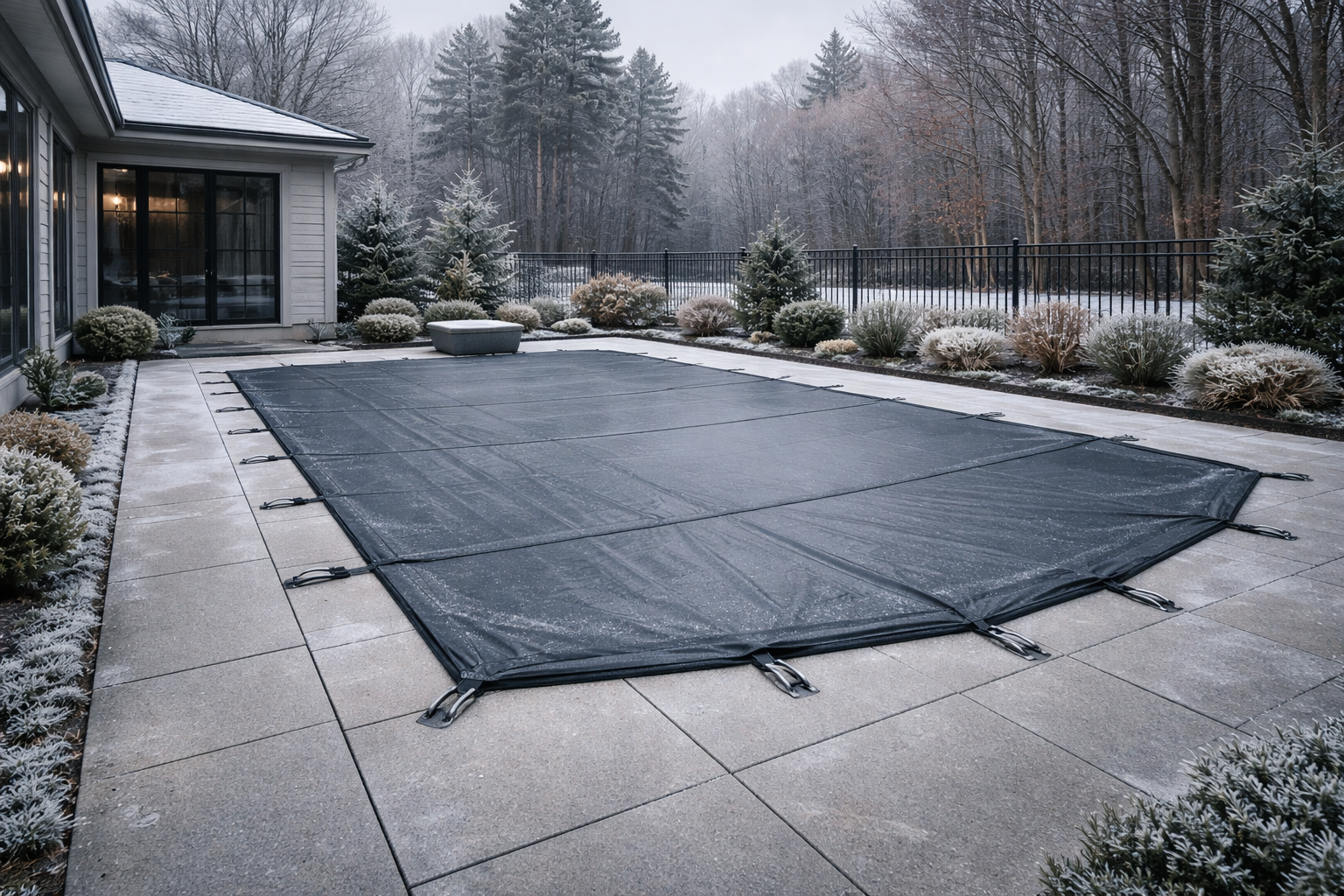
Getting Your Pool Ready for a Freeze in Buda, TX
Central Texas winters are usually mild, but Buda homeowners know a hard freeze can show up fast and do expensive damage. When water freezes inside plumbing, valves, pumps, filters, or heaters, it expands and can crack housings, split pipes, and create leaks that are not obvious until everything thaws. The good news is that a solid freeze plan is mostly simple, and it is the same playbook many Texas pool companies and industry guides recommend: keep water moving, protect vulnerable equipment, and have a power-outage backup plan.
This guide is written for typical Buda, TX pool setups (pump, filter, heater optional, above-ground equipment pad). Always follow your manufacturer instructions and safety precautions.
Why freezes damage pools in Texas
Freeze damage almost always comes down to one thing: water trapped in equipment or lines. If your pool water is still, it can freeze in plumbing or equipment first, especially where pipes are exposed to wind on the equipment pad. Keeping circulation going is the fastest way to reduce risk during freezing temperatures.
Your 3-part freeze game plan
1) Keep circulation running when temps hit freezing
If temperatures are expected to be at or below freezing (32°F), most pool pros recommend running the pump continuously during that window, especially overnight. Circulation helps prevent water from freezing inside the plumbing. If your system has a freeze-protection mode, confirm it is enabled and working before the cold arrives.
Tips that matter in real life:
-
Make sure your timer will not shut the system off overnight.
-
Variable-speed pumps should maintain steady flow during the freeze window (not a super-low trickle).
2) Reduce wind exposure and insulate smartly
Texas freeze events are often windy. Wind chill around the equipment pad can freeze exposed plumbing faster. Many guides recommend covering or shielding equipment from direct wind using a tarp or similar cover, while being careful not to block heater ventilation.
Simple ways to help:
-
Wrap exposed above-ground pipes with foam insulation sleeves (and waterproof tape at seams).
-
Add a wind break around the equipment pad (tarp on stakes or a temporary barrier), leaving safe clearance and airflow where needed.
3) Have a power-outage plan (this is where most damage happens)
If you lose power, your pump cannot circulate water, so you shift to damage control: shut off power to the equipment and drain water from vulnerable components so it cannot freeze inside them. Several Texas-focused guides outline a clear sequence: shut power off, open filter air relief, remove drain plugs, and open heater drain points and unions to let water escape.
If a hard freeze is coming and you expect an outage, this plan can save thousands.
Step-by-step checklist for Buda, TX pool owners
24 to 48 hours before the freeze
-
Clean the pool: skim, brush, and empty skimmer and pump baskets.
-
Balance the water: proper chemistry reduces scale and protects surfaces.
-
Confirm freeze protection settings: timers, automation, freeze guard.
-
Inspect the equipment pad: look for exposed pipes, loose unions, or leaks.
-
Gather supplies: pipe insulation, waterproof tape, tarp, bungee cords, a wrench/screwdriver for drain plugs, and a flashlight.
The day of the freeze
-
Run the pump continuously once temps approach freezing.
-
Open valves for circulation (ensure water can move through the system).
-
Protect exposed plumbing from wind with insulation and a safe wind break.
-
Do not drain the pool water down aggressively for a typical Central Texas freeze. Keeping normal water level helps protect plaster and structure, and the goal is protecting equipment and lines, not emptying the shell. (If you are unsure, ask a local pro.)
If power goes out or the pump stops working
-
Turn off breakers to prevent the system from restarting dry when power returns.
-
Open the filter air relief to break vacuum.
-
Drain the pump (remove drain plugs) and remove the pump lid to prevent trapped water expansion.
-
Drain the filter using the bottom drain plug.
-
Drain the heater using heater drain points/unions; protect it from wind without blocking vents.
-
If accessible, open low-point unions on exposed lines to let water trickle out.
If you are not comfortable doing this safely, call a pool pro before the freeze hits.
Common mistakes Buda homeowners should avoid
-
Relying on “a couple hours” of run time during a hard freeze. The risk is highest overnight.
-
Covering a heater incorrectly and blocking vents or airflow. Use wind protection, not a sealed wrap.
-
Ignoring filter pressure before a freeze. A dirty filter can reduce flow when you need it most.
-
Forgetting the power-outage plan until the lights go out.
FAQs
Should I run my pool pump during a freeze in Buda, TX?
Yes, most guidance for freeze events recommends running the pump continuously while temperatures are below freezing to keep water moving through lines and equipment.
What if I have automation or freeze protection mode?
Enable it and test it before the cold front. Do not assume it is on or configured correctly.
Do I need to drain my pool for a Texas freeze?
Most Central Texas advice focuses on protecting equipment and plumbing via circulation and preparedness, not draining the pool shell. If you expect extended outages or have a unique setup, consult a local pro.
What is the biggest risk during a freeze?
A power outage, because circulation stops. That is why having a drain-down plan for the equipment pad is so important.
A strong local close from GID Pools
A freeze in Buda can turn a small oversight into cracked equipment fast. If you want a professional set of eyes on your equipment pad, water balance, and freeze-protection settings, GID Pools can help you prepare before the next cold front and reduce the risk of surprise repairs.